
Urogynecology Advanced Care for Pelvic Floor Disorders
Urogynecology is a specialized branch of gynecology that focuses on diagnosing and treating conditions related to the female pelvic floor, including the bladder, uterus, vagina, and bowel.
Also known as Female Pelvic Medicine and Reconstructive Surgery (FPMRS), this field deals with issues caused by weakened or damaged pelvic muscles and tissues.
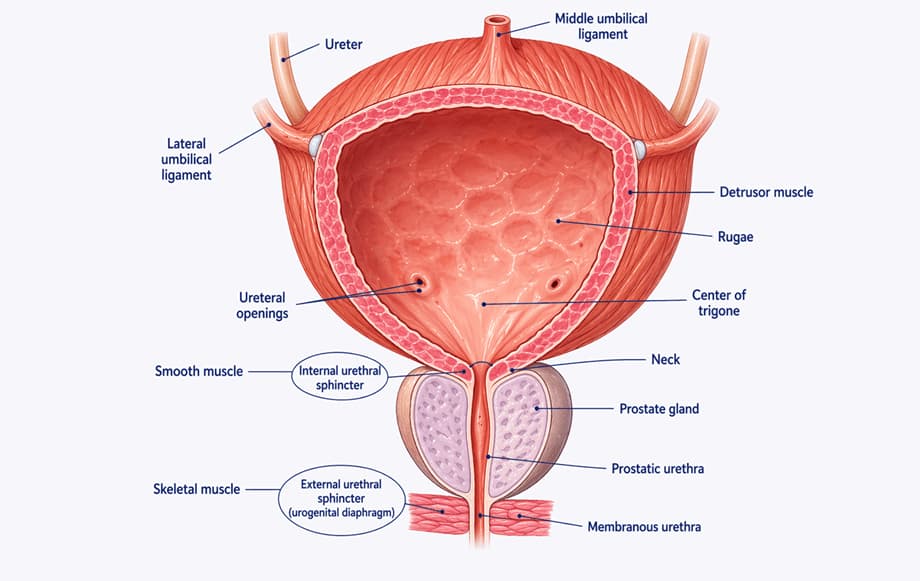
What are Pelvic Floor Disorders?
Pelvic floor disorders occur when the muscles and ligaments supporting pelvic organs become weak or stretched. This can lead to:
- Urinary leakage (incontinence)
- Pelvic organ prolapse
- Difficulty in bladder or bowel control
- Discomfort or pressure in the pelvic region
Common Conditions Treated
- Stress Urinary Incontinence (SUI) – Leakage during coughing, sneezing, or exercise
- Pelvic Organ Prolapse – Drooping of uterus, bladder, or rectum
- Cystocele (Bladder Prolapse)
- Rectocele (Bowel Prolapse)
- Overactive Bladder
- Urinary Retention Issues
Urogynecology Treatments & Surgeries
1. Stress Urinary Incontinence (SUI) Surgeries
Advanced minimally invasive procedures to control urine leakage:
- TVT (Tension-Free Vaginal Tape)
- TOT (Transobturator Tape)
- TVT-O (Transobturator Tape – Inside-Out Technique)
These sling procedures provide support to the urethra and significantly improve bladder control.
2. Burch Colposuspension
A surgical procedure used to treat stress urinary incontinence by lifting and securing the bladder neck, helping prevent leakage.
3. Pelvic Floor Surgeries
Comprehensive surgical treatments to restore the strength and function of pelvic floor muscles and support structures.
4. Lateral Cystocele Repair
A specialized procedure to correct bladder prolapse (cystocele) by repairing the weakened vaginal wall and restoring normal bladder position.
Benefits of Urogynecology Treatment
- Improved bladder and bowel control
- Relief from pelvic pressure and discomfort
- Enhanced quality of life
- Minimally invasive options available
- Faster recovery and long-lasting results
When Should You See a Urogynecologist?
Consult a specialist if you experience:
- Urine leakage during daily activities
- Feeling of heaviness or bulge in the vagina
- Frequent urge to urinate
- Difficulty emptying bladder
- Recurrent urinary infections
Why Choose Specialized Urogynecology Care?
- Accurate diagnosis with advanced techniques
- Personalized treatment plans
- Expertise in minimally invasive and reconstructive surgery
- Focus on long-term pelvic health