

Gynaecological Oncology Women’s Cancer Care & Treatment
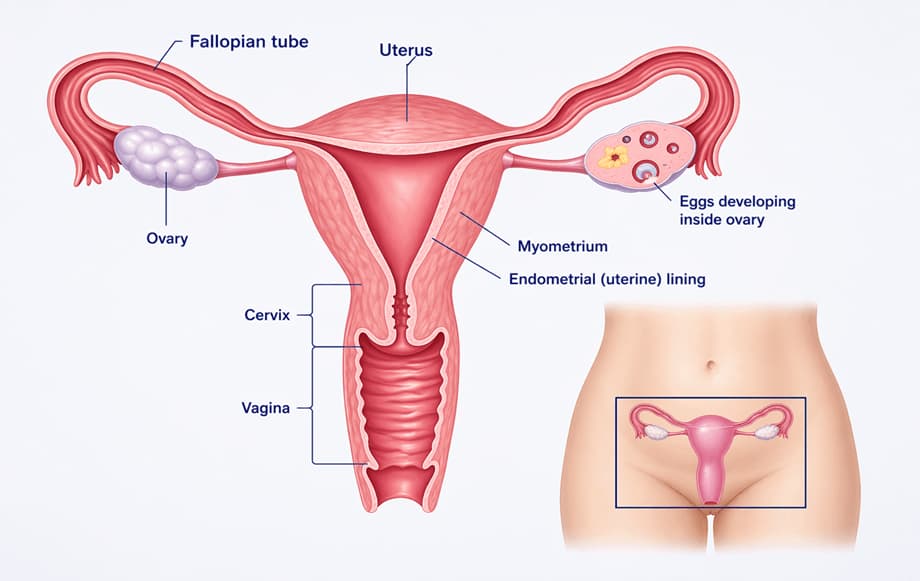
Gynaecological Oncology is a specialized field of medicine focused on the diagnosis, treatment, and management of cancers affecting the female reproductive system.
This includes cancers of the:
Uterus (Endometrial cancer)
Ovaries (Ovarian cancer)
Cervix (Cervical cancer)
Vagina
Vulva
Early detection and timely treatment play a crucial role in improving outcomes and survival rates.
Common Gynaecological Cancers
1. Cervical Cancer
Often caused by HPV (Human Papillomavirus) infection. Regular screening with Pap smear helps in early detection.
2. Ovarian Cancer
Known as a “silent cancer” due to subtle symptoms like bloating and abdominal discomfort.
3. Endometrial (Uterine) Cancer
Usually presents with abnormal uterine bleeding, especially after menopause.
4. Vaginal & Vulvar Cancer
Rare cancers that may cause itching, lumps, or unusual discharge.
Symptoms to Watch For
- Abnormal vaginal bleeding (between periods or after menopause)
- Persistent pelvic or abdominal pain
- Bloating or feeling full quickly
- Unusual vaginal discharge
- Changes in bowel or bladder habits
- Unexplained weight loss
Diagnostic Services
- Pap smear & HPV testing
- Pelvic examination
- Ultrasound & imaging
- Endometrial biopsy
- Hysteroscopy
- Tumor marker tests
Treatment Options
1. Surgical Management
- Removal of tumors or affected organs
- Minimally invasive or laparoscopic surgery when possible
2. Chemotherapy
Use of medications to destroy cancer cells or stop their growth.
3. Radiation Therapy
Targeted radiation to eliminate cancer cells.
4. Targeted & Hormonal Therapy
Personalized treatment based on cancer type and stage.
Preventive Care
- Regular Pap smear screening
- HPV vaccination
- Healthy lifestyle and weight management
- Early consultation for abnormal symptoms
Why Choose Specialized Gynaecological Oncology Care?
- Multidisciplinary cancer care approach
- Early diagnosis and advanced treatment options
- Personalized treatment plans
- Emotional and psychological support
When to Consult a Specialist?
- Irregular or postmenopausal bleeding
- Family history of gynecological cancers
- Persistent pelvic pain or bloating
- Abnormal Pap smear results