
Laparoscopy in Pregnancy Safe Minimally Invasive Surgery During Pregnancy
Laparoscopy in pregnancy is a minimally invasive surgical procedure performed using small incisions and a camera (laparoscope) to diagnose and treat abdominal or pelvic conditions in pregnant women.
With advanced techniques and careful monitoring, laparoscopy is considered safe during pregnancy, especially when performed by experienced specialists.
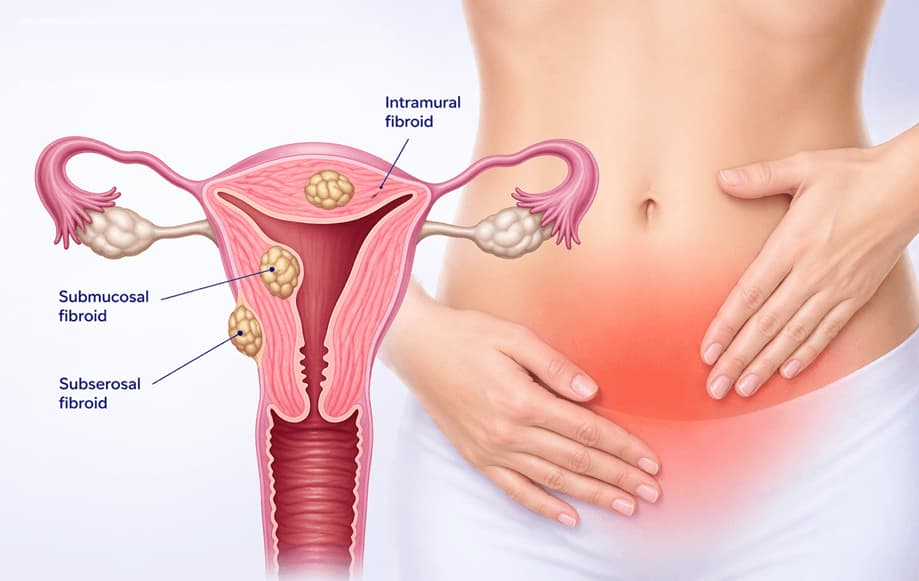
When is Laparoscopy Needed During Pregnancy?
Laparoscopic surgery may be required in pregnancy for urgent or unavoidable conditions such as:
- Ectopic pregnancy
- Ovarian cysts or tumors
- Ovarian torsion (twisting of ovary)
- Appendicitis
- Gallbladder stones (cholecystitis)
- Unexplained severe abdominal pain
Is Laparoscopy Safe During Pregnancy?
Yes, laparoscopy is generally safe for both mother and baby when:
- Performed by skilled surgeons
- Proper precautions are taken
- Fetal monitoring is ensured
The second trimester is often considered the safest period for planned procedures, but emergency cases can be handled at any stage.
Benefits of Laparoscopy in Pregnancy
- Minimally invasive (small cuts, less trauma)
- Reduced pain compared to open surgery
- Faster recovery and shorter hospital stay
- Lower risk of infection
- Minimal impact on the fetus
- Better cosmetic outcomes
Special Precautions Taken
- Continuous monitoring of mother and fetus
- Modified surgical techniques for pregnancy
- Safe anesthesia protocols
- Positioning to avoid pressure on the uterus
- Minimal use of gas pressure during surgery
Recovery After Laparoscopy in Pregnancy
- Most patients recover quickly within a few days
- Mild discomfort or fatigue may be present
- Regular prenatal care continues as usual
- Follow-up is important for maternal and fetal health
Risks (Rare but Possible)
- Preterm contractions
- Infection or bleeding
- Injury to surrounding organs
- Anesthesia-related risks
When to Consult a Doctor Immediately?
- Severe abdominal pain
- Persistent vomiting
- Vaginal bleeding
- Fever or signs of infection